
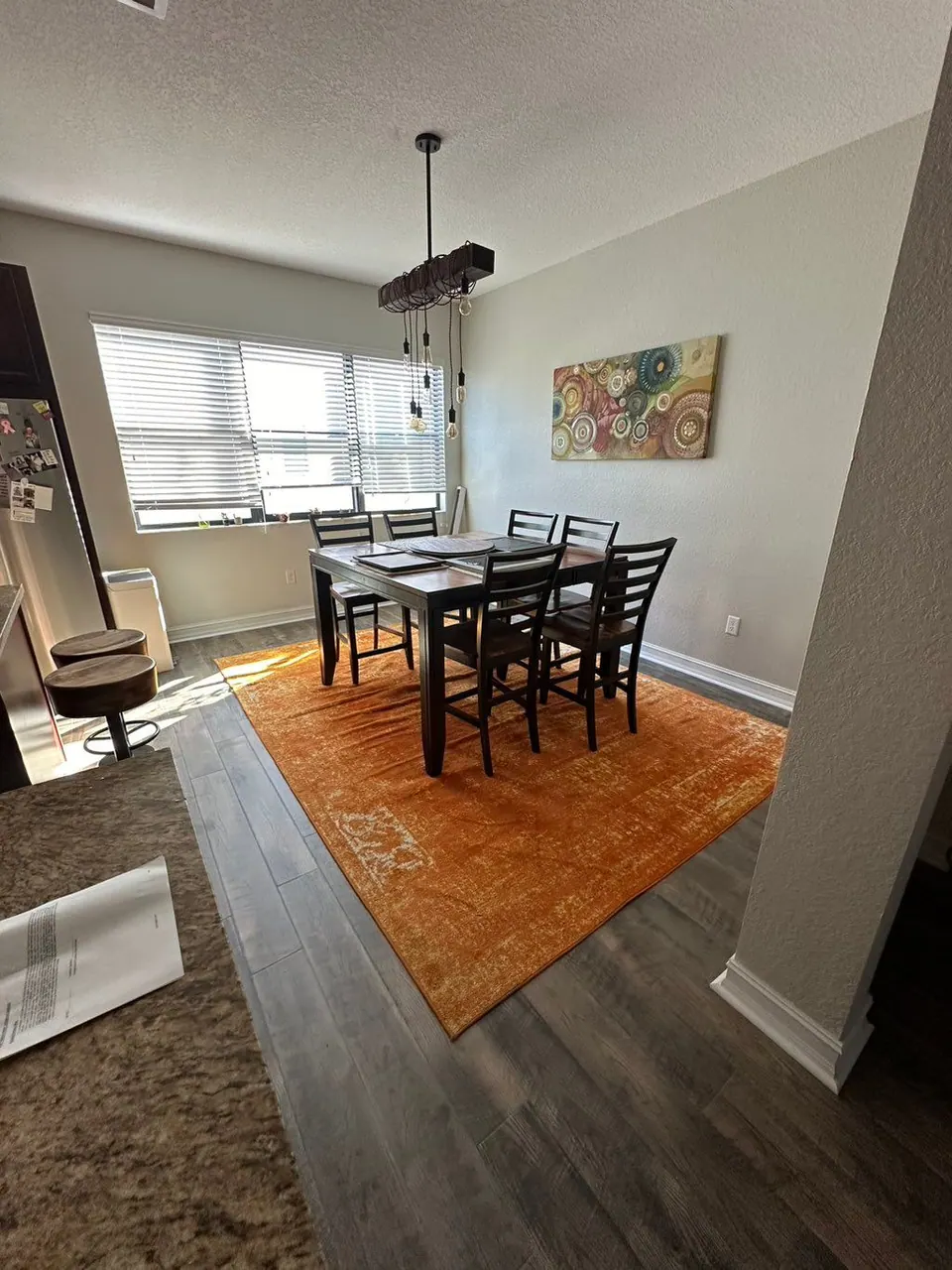
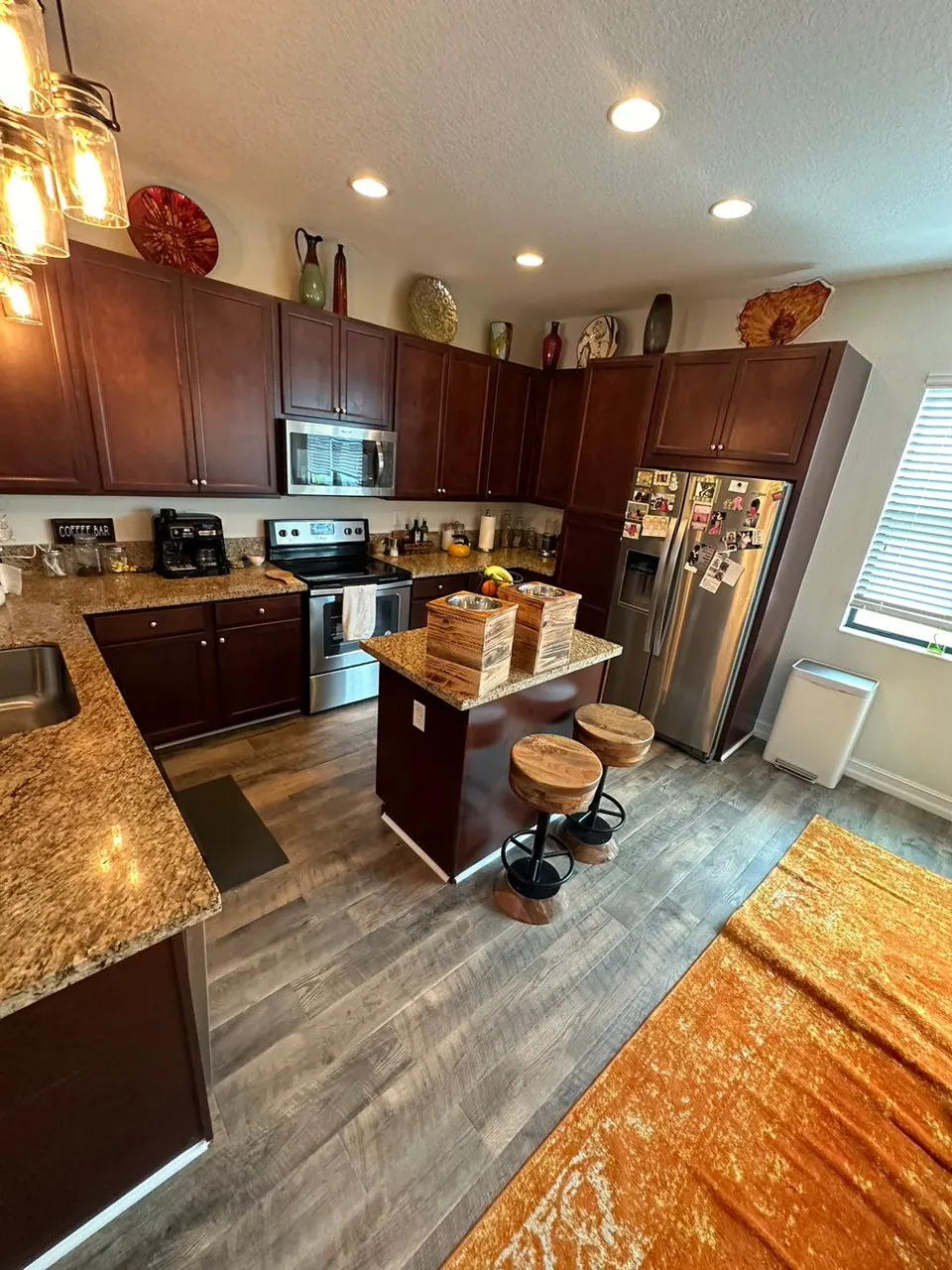
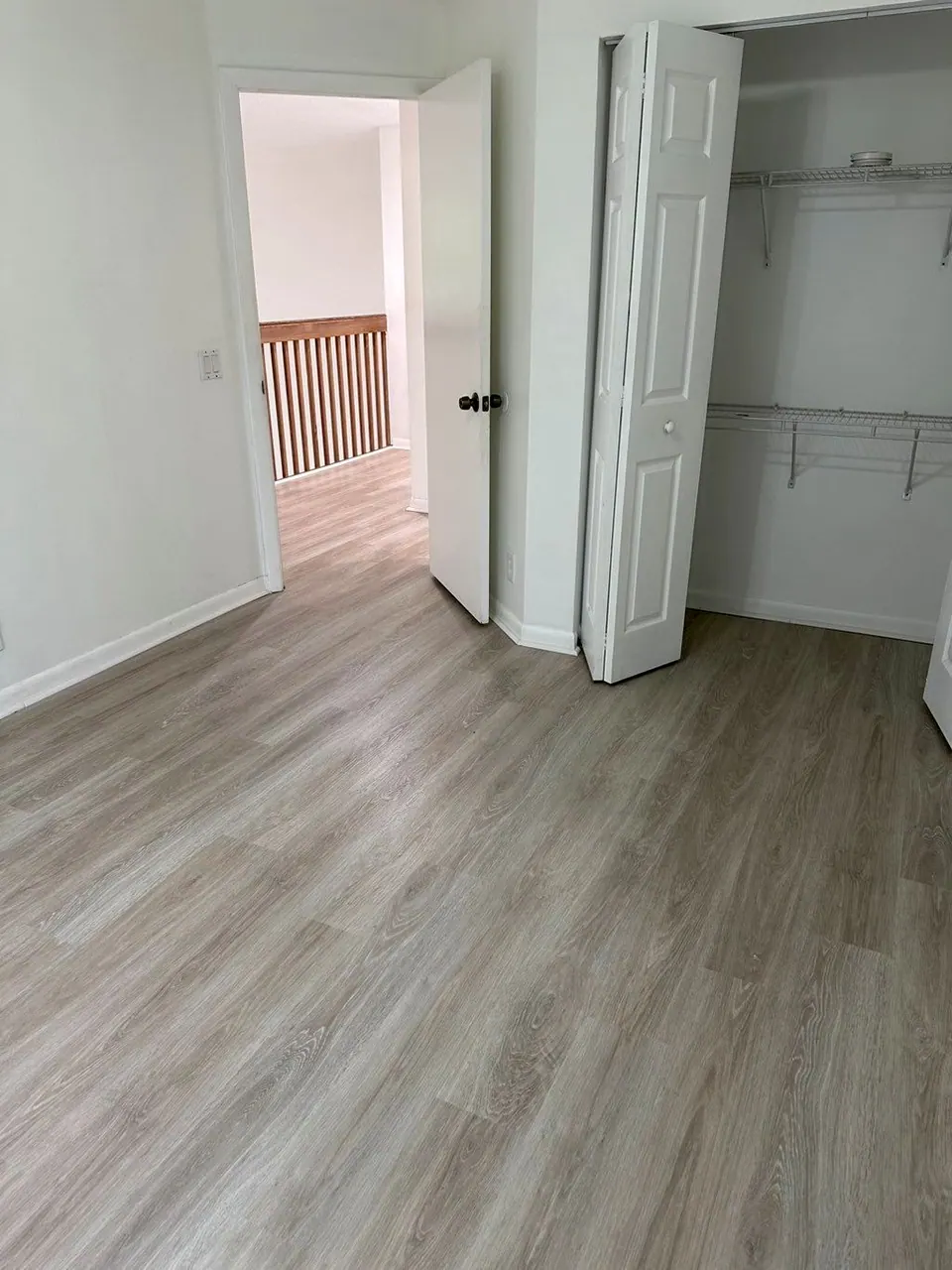
Engineered wood flooring has a real wood top layer bonded to a layered core. That construction moves far less with humidity than a solid board, which is why it is the usual way to install a wood floor over a concrete slab in coastal Florida.
What decides a good result
Moisture. Concrete releases moisture for a long time, and wood is sensitive to it. Before installation the slab should be checked using the method and limits in the flooring manufacturer's instructions; many reference relative humidity testing under ASTM F2170. Our slab moisture guide explains what that involves.
Flatness. Wide planks show every dip. Grinding high spots and filling low spots to the manufacturer's tolerance is the part of the job you never see afterward, and the part that decides how the floor sounds and wears.
Site conditions. The air conditioning should be running at normal living conditions before and after installation, so the boards settle into the conditions they will live in.
Installation method. Depending on the product, engineered wood is glued to the slab or installed as a floating floor over an underlayment. We follow the method the manufacturer approves for that product.
Stairs and transitions
Treads and nosings are planned with the main floor so the color and direction carry through, and transitions to other floors are fitted cleanly.
In condominiums
Upper floor units usually need an approved sound underlayment under any hard surface floor. Read our condominium flooring guide before choosing a product.